Pay Bill
 Refer a Patient
 Patient Portal


What to Expect Before, During, and After Cataract Surgery

Updated: December 23, 2025
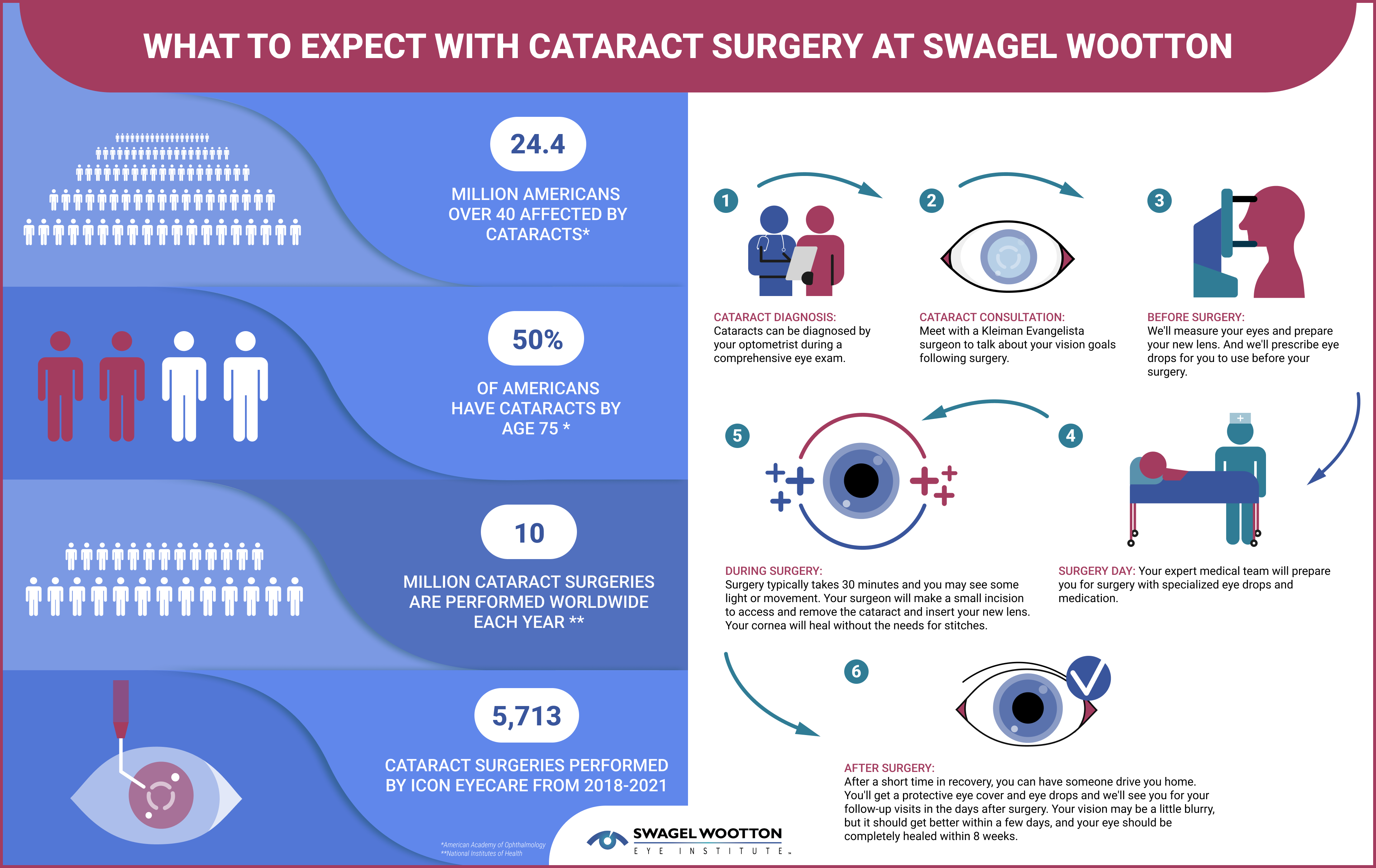
The cataract surgery experience can feel overwhelming, but knowing what to expect can make the process more comfortable and manageable. This guide outlines each phase of cataract surgery — from initial cataract evaluation to recovery — so you can move forward with confidence.
What Is a Cataract?
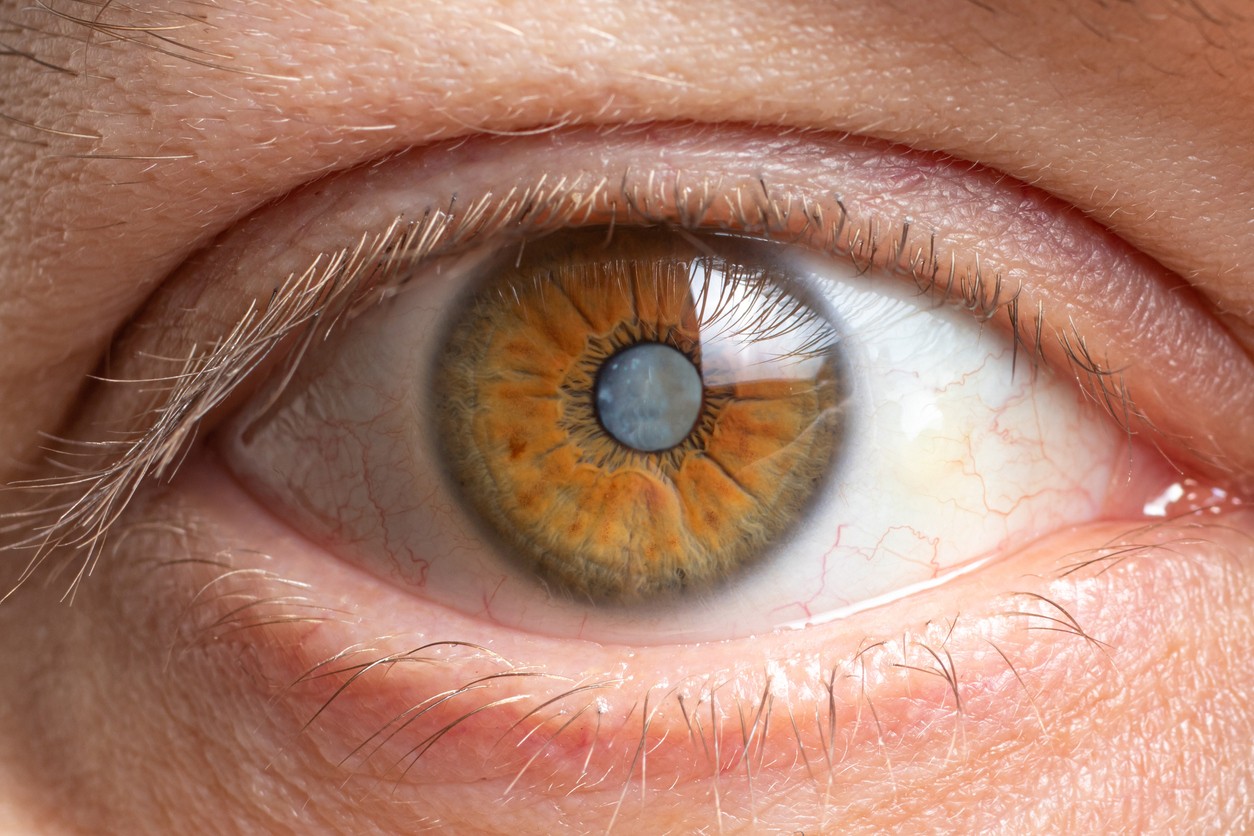
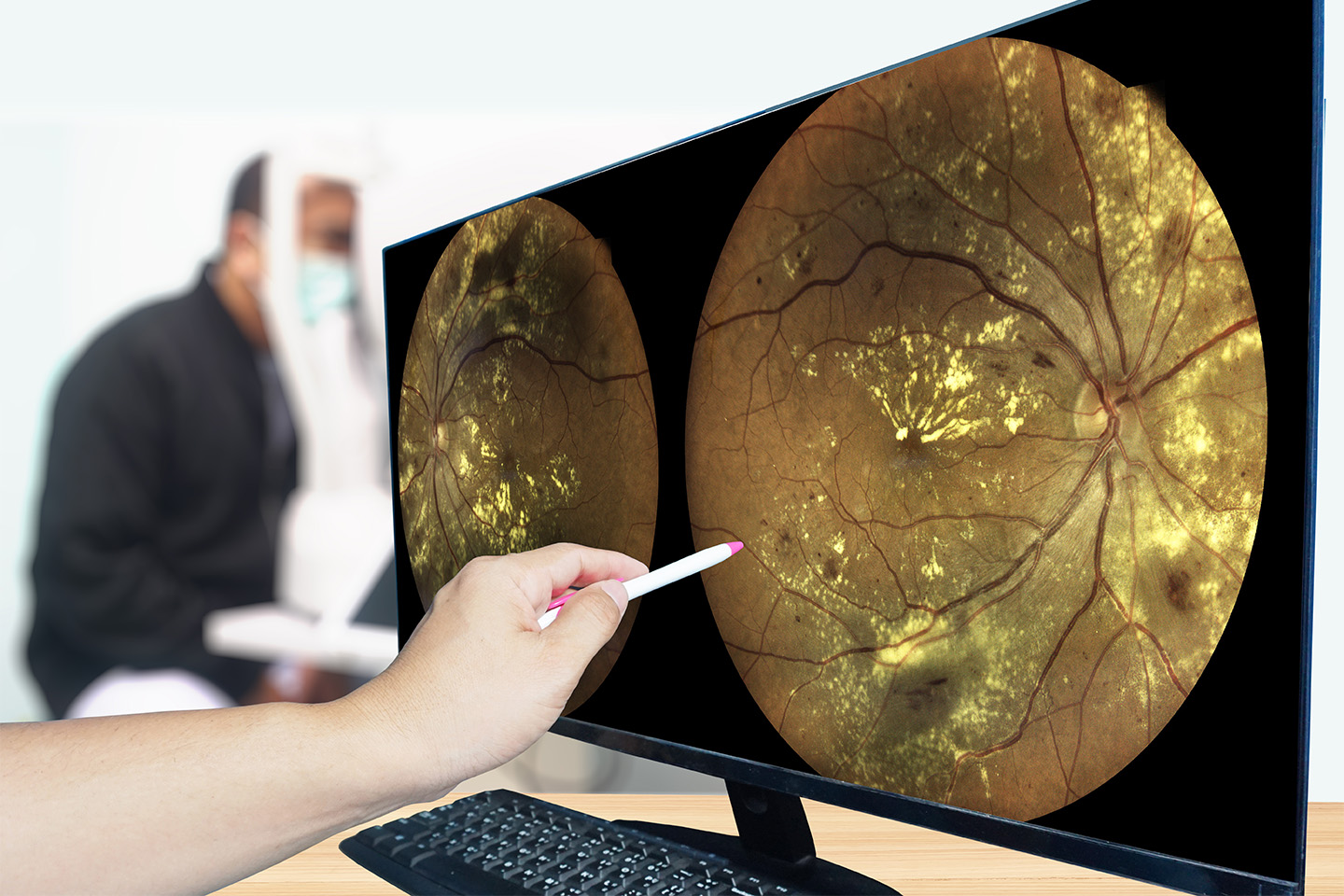
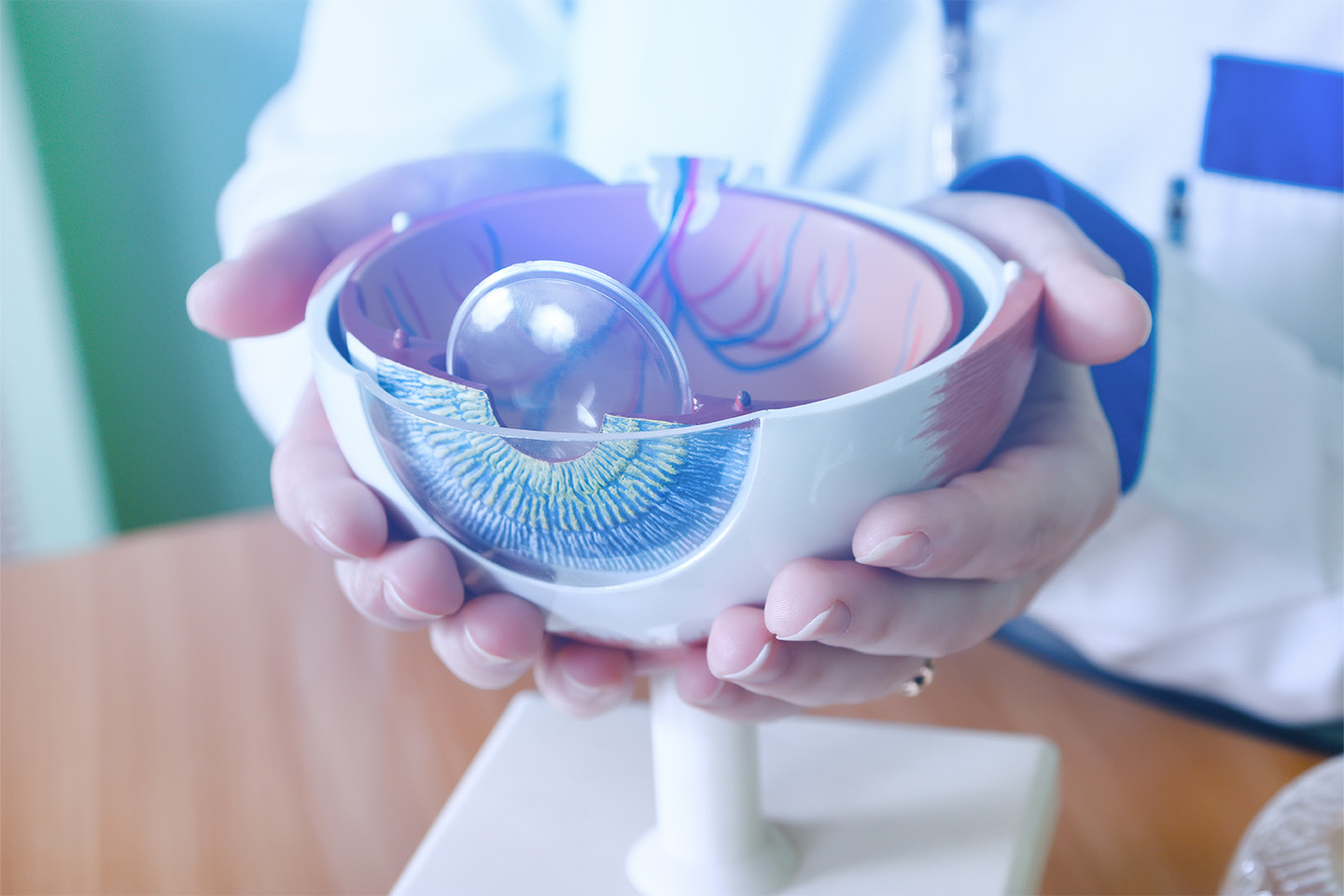
The eye’s natural lens is normally clear and flexible, helping focus light onto the retina. As we age, crystalline proteins in the lens naturally break down and cause clouding. This cloudy lens, known as a cataract, often results in hazy or blurred vision.
When to Schedule a Cataract Consultation
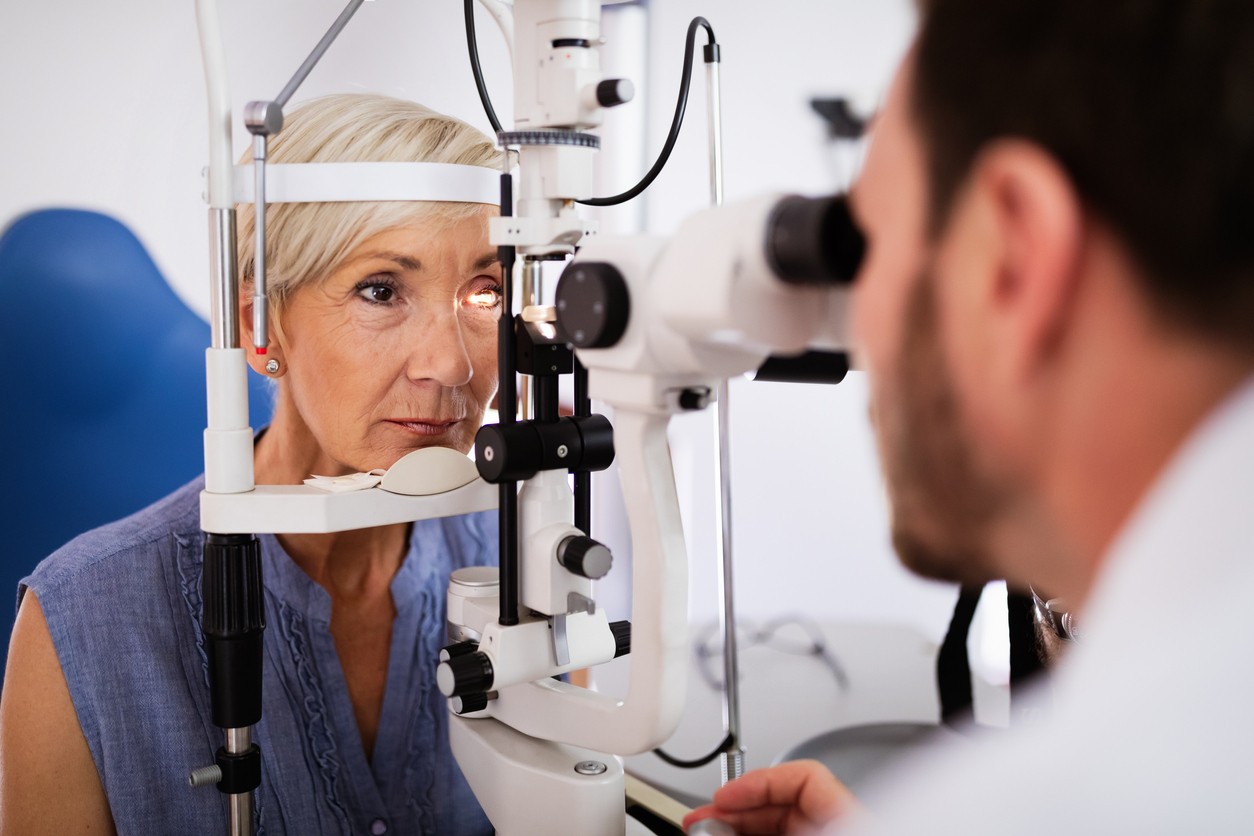
Cataracts typically develop slowly, and many patients are monitored for years before surgery is recommended. If you notice changes in vision, an eye exam with an optometrist or ophthalmologist is essential.
While early cataract symptoms may be managed with lighting adjustments or updated eyeglass prescriptions, surgery is eventually needed to restore clear vision.
Preparing for Cataract Surgery
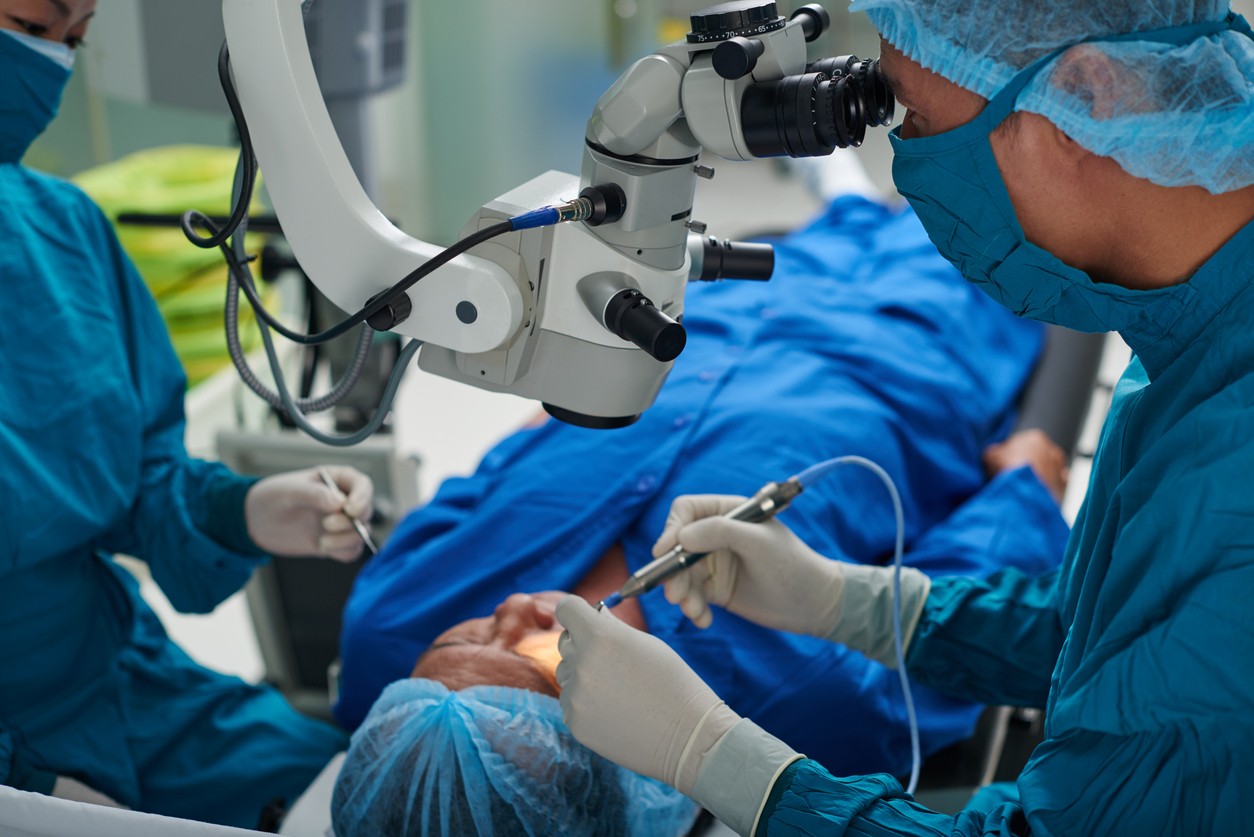
Before surgery at Swagel Wootton Eye Institute, you will meet with our team for your cataract surgery consultation. Here, your eye surgeon will review medications, explain the procedure in detail, and answer any questions you have to ensure you feel informed, comfortable, and confident. You may also be asked to:
- Modify or pause certain medications leading up to the surgery
- Avoid eating or drinking 6-8 hours before the procedure
- Take pre-operative eye drops if needed
Cataract surgery is typically an outpatient procedure, and so you will also need to arrange transportation to and from your eye doctor’s office or surgical center.
Choosing an Artificial Lens
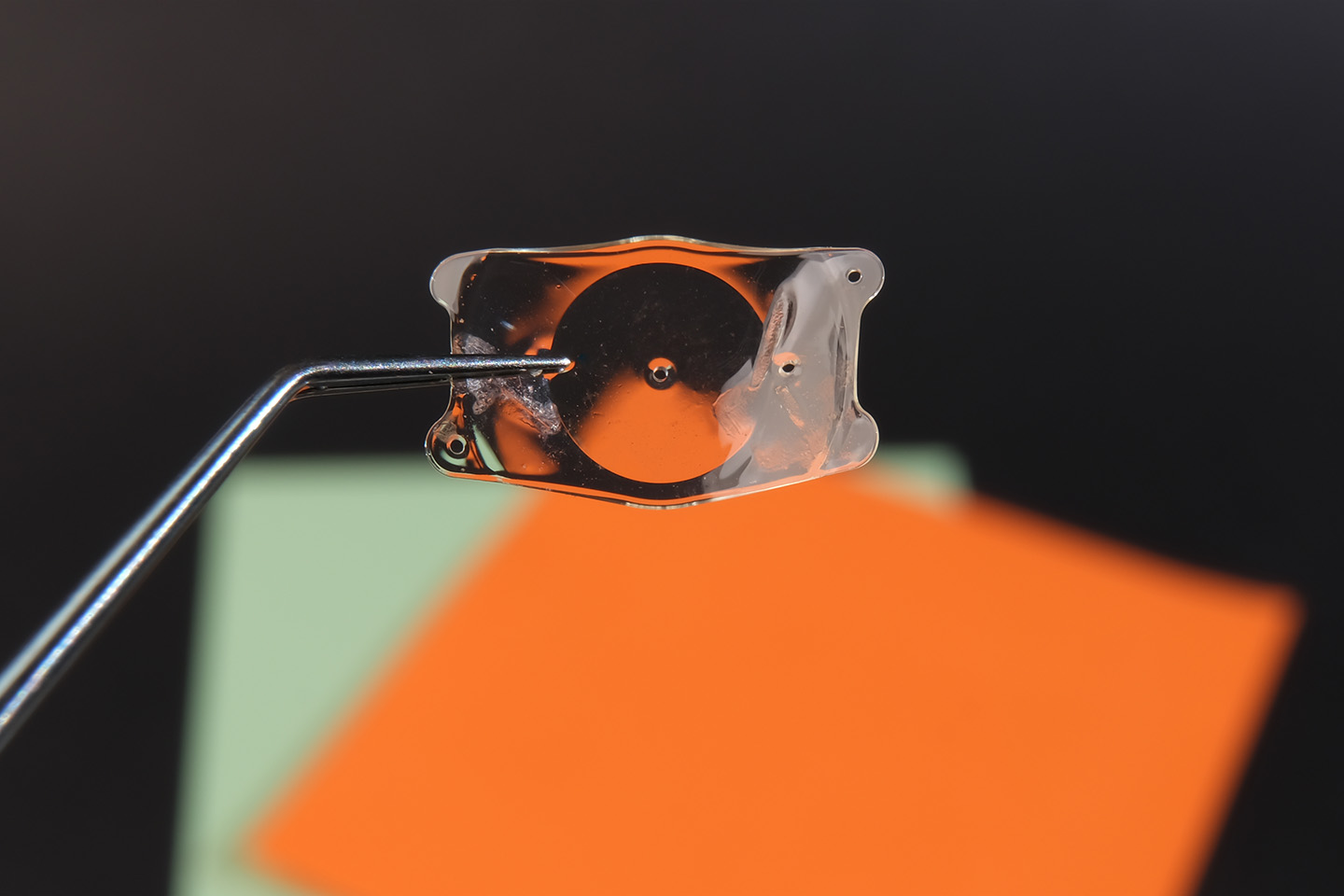
At your initial appointment, your eye doctor will discuss your evaluation results and your vision goals. Together, you will determine which type of surgery is best for you and what kind of IOLs match your lifestyle. These intraocular lenses will replace your eyes’ natural lenses, providing clearer vision, restoring focus, offering rich and vivid colors, and decreasing your need for eyeglasses or contacts.
At Swagel Wootton Eye Institute, we offer four main types of premium IOLs: monofocal IOLs, toric IOLs and multifocal IOLS. Learn more about each type below and select an option that best meets your vision goals.
Types of Lenses
Our first, and most popular, type of lens is the monofocal lens. With the monofocal lens, you can choose a specific distance: close, mid-range, or far distances. Most people opt for long-distance range and use eyeglasses or contact lenses to see and focus closely.
A toric lens is a perfect option if you suffer from cataracts and astigmatism. It can correct an irregular corneal eye shape, helping your eye direct light properly. Similar to monofocal lenses, they also allow for single-distance vision.
Our advanced trifocal lenses, AcrySof® IQ PanOptix® Trifocal Lens, offer patients a full range of excellent vision at three distances (close, mid-range, and far) with exceptional detail.
In addition, we offer a Light Adjustable Lens made of a photo-sensitive material that changes the power of your implanted lens in response to UV light.
What Happens During Cataract Surgery
Your cataract surgeon will provide you with medication and anesthetic eye drops to help you relax and numb your eye. The surgeon creates a microscopic incision to remove the cloudy lens and replace it with an artificial intraocular lens (IOL) made of plastic, acrylic, or silicone. Patients remain awake and may notice light or movement during the procedure. While slight pressure or discomfort is normal, patients typically experience no pain.
Because the incision is extremely small, stitches are usually unnecessary. Your surgeon will apply a protective eye shield before you move to the recovery area.
Types of Cataract Surgery Techniques
The surgery technique your cataract surgeon uses depends on your eye health and vision needs. However, all techniques involve replacing the cloudy lens with an artificial IOL
- During small incision cataract surgery (SICS), your surgeon uses ultrasound waves from a small probe to break up the cloudy lens for removal while preserving the natural lens capsule. This process is called phacoemulsification and is the most commonly performed type of cataract surgery.
- Femtosecond laser-assisted cataract surgery provides an opportunity for your eye surgeon to reshape the cornea with a laser, which can help correct astigmatism. A precision laser, rather than ultrasound, is used to break up the lens.
Your cataract surgeon may recommend extracapsular cataract surgery when lens fragmentation — whether by ultrasound or laser — is not an option for the type of cataract. This technique may require a longer recovery time because the surgeon creates a larger incision to remove the cataract in one piece.
Recovery After Cataract Surgery
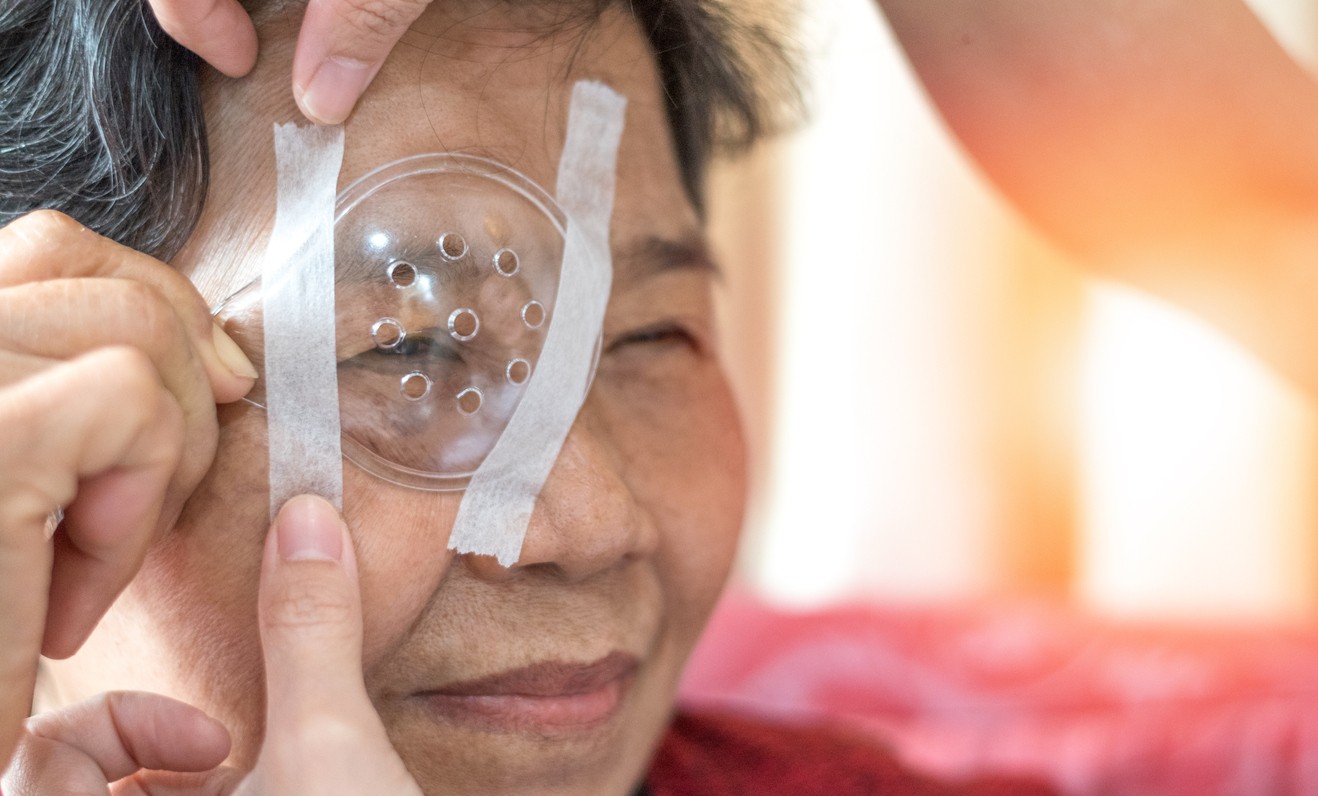
You will generally spend about an hour in the recovery area before being allowed to leave. Most of the time, you will be able to resume activities such as light reading or TV use, but you should avoid lifting heavy objects, bending, strenuous movement, or using apool or hot tub. It’s common to experience blurry vision, light sensitivity, and mild discomfort in the hours following surgery
Our team will provide you with antibiotic eye drops and instructions for wearing your protective eye shield. We will also schedule follow-up appointments to ensure proper healing and visual improvement, typically one day post-surgery, one week later, and again after several weeks. Eye conditions like glaucoma or macular degeneration can lead to longer recovery times.
Cataract surgery has been proven safe and effective, with a nationwide success rate of approximately 98%. According to the American Society of Cataract and Refractive Surgery, approximately three million cataract surgeries are performed each year in the U.S.
Why Patients Trust Arizona’s Leading Cataract Experts

For more than 60 years, Swagel Wootton Eye Institute has provided trusted cataract care to the East Valley. Our board-certified surgeons combine advanced technology, including the latest artificial lens options and the ORA System™’s intraoperative aberrometry, with patient-centered care to deliver safe, comfortable procedures and high-quality outcomes.
Your Journey Toward Renewed Vision Starts Here
Schedule your cataract consultation to learn more about the cataract surgery experience at Swagel Wootton Eye Institute and take the next step toward clearer, youthful vision.
[DISPLAY_ULTIMATE_SOCIAL_ICONS]